
Why Every Component Matters in a Compact Solar Installation
Starting with solar power on an apartment balcony can feel refreshingly simple at first, choose a panel, find a sunny spot, and begin producing electricity. In practice, a reliable setup depends on several pieces working together, each with its own purpose. A carefully planned balcony solar system includes not only the solar panels themselves, but also mounting hardware, a suitable microinverter, properly selected cables, connectors, and tools for keeping track of performance. Thinking about the full setup before purchasing equipment can prevent mismatched parts and frustrating surprises. It also makes installation easier to understand, especially for residents who are exploring small-scale solar for the first time.
The panels are naturally the most visible part of the setup, but their specifications deserve more attention than appearance alone. Size, rated output, efficiency, and physical dimensions should all suit the available balcony space. Once the panels are chosen, the mounting equipment becomes just as important. Brackets, rails, clamps, or other supports need to hold the panels securely while dealing with wind, vibration, and changing weather. Balcony railings and walls vary considerably, so mounting hardware should match the actual structure rather than being treated as a one-size-fits-all accessory. Safe attachment also helps keep panels positioned correctly for sunlight.
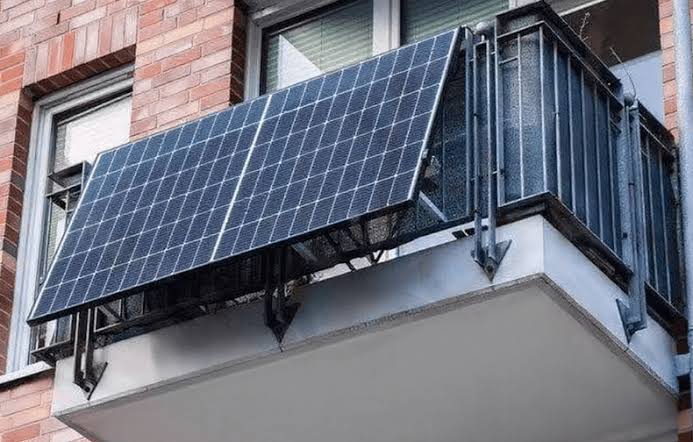
Then comes the electrical side, where the microinverter plays a central role. Solar panels generate direct current electricity, while household electrical systems generally use alternating current. A microinverter handles that conversion, making the electricity suitable for household use when the installation is designed for that purpose. Compatibility matters here. The inverter should match the electrical characteristics and output of the panels, while cables and connectors need to be appropriate for outdoor conditions and the equipment being connected. Durable insulation, tidy routing, and secure connections can help protect the setup from moisture, movement, and unnecessary wear over time.
Monitoring tools may seem optional compared with panels and wiring, yet they can make the system much easier to understand. Many modern setups allow users to view electricity production through an app, display, or online dashboard. That information can reveal how output changes with cloud cover, shading, different seasons, or changes in panel position. It can also help identify an unexpected drop in production that might deserve attention. Instead of simply knowing that the panels are generating something, residents can see when production is strongest and gain a clearer sense of how their small solar installation behaves from one day to the next.
Good planning brings all of these components together rather than treating them as separate purchases. Before ordering anything, it is worth checking available space, sunlight exposure, mounting options, electrical compatibility, cable length, local requirements, and the monitoring features offered by different products. When a balcony solar system is designed as one complete arrangement, it becomes easier to avoid equipment that does not fit or work well together. Panels may capture the sunlight, but dependable mounting keeps them secure, the microinverter converts the electricity, cabling carries it where needed, and monitoring tools show what the entire setup is accomplishing. That coordinated approach can make compact solar feel far less complicated and much more practical.