
Identifying Squealing Sounds: A Key to Timely Car Belt Replacement
If you’ve ever been driving and suddenly heard a high-pitched squealing noise coming from under the hood, it’s hard not to feel a rush of concern. That sound is often a warning sign that something is amiss, and it might be related to your car’s belts. Understanding the causes of these noises and knowing when to perform a belt replacement can save you both time and money in the long run.
Squealing noises typically indicate that a belt is either worn out or loose. The serpentine belt, which drives multiple components like the alternator and air conditioning, is particularly susceptible to wear and tear. If you hear that telltale squeal, it’s crucial to inspect the belt immediately. Neglecting this could lead to more severe engine problems, as a failing belt can cause the engine to overheat or fail to operate certain essential functions. You can perform a visual inspection by looking for cracks, fraying, or signs of glazing on the belt’s surface. If you find any of these issues, it’s time to consider a belt replacement.
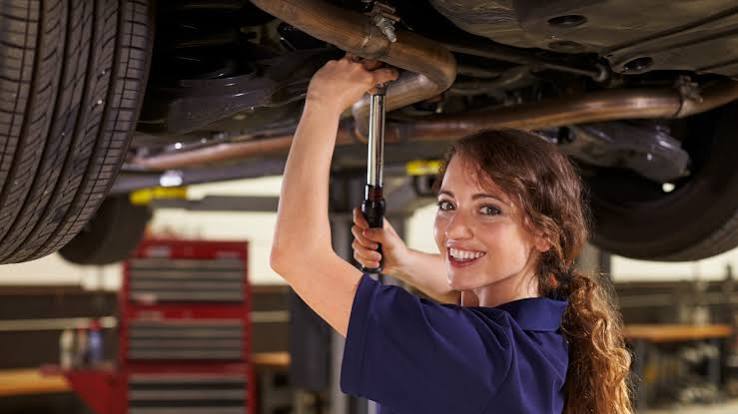
Timing is everything when it comes to maintenance. If your vehicle is approaching the mileage suggested by the manufacturer for a belt replacement, don’t wait for the noise to appear. Proactive maintenance will help you avoid unexpected breakdowns. Many mechanics recommend changing the serpentine belt every 60,000 to 100,000 miles, but factors like driving conditions and vehicle age can affect this. It’s wise to consult your vehicle’s owner manual or speak with a trusted mechanic for tailored advice.
That said, if the squealing persists even after a belt replacement, there could be other underlying issues. A misaligned pulley or worn bearings might be at fault, and it’s essential to diagnose these problems promptly. Ignoring them can lead to further damage and costly repairs.
If you find yourself in a situation where you’re unsure about the health of your car’s belts, don’t hesitate to reach out to a professional. They can provide a thorough inspection and guide you on whether a belt replacement is necessary. Remember, keeping your vehicle in good working order is not just about performance; it’s about your safety on the road. So, next time you hear that squeal, take it seriously and act swiftly to ensure your car remains reliable.